Jogyesa Temple: Hours, Fees, Dress Code & Visitor Info
Stepping into Jogyesa Temple, you immediately feel a shift in the air. The city's bustle fades, replaced by the gentle hum of chanting and the scent of incense. This isn't just a place of worship; it's a vibrant, living cultural center right in the heart of Seoul. Many people planning a visit ask about the jogyesa temple entrance fee, wondering what costs they might encounter.
This guide will walk you through everything you need to know before your trip. We'll cover the temple's operating hours, what to expect regarding admission costs, and the appropriate dress code. You'll also find practical tips for making the most of your time there, ensuring a respectful and enriching visit to this significant Buddhist site.
Book your Jogyesa Temple experience:
Finding Your Way: Jogyesa Temple Address and First Impressions
Jogyesa Temple sits at 45 Gyeonji-dong, Jongno-gu, Seoul. It's incredibly central, making it an easy addition to any Seoul itinerary. The temple's location is a short walk from Anguk Station (Line 3, Exit 6) or Jonggak Station (Line 1, Exit 2). Honestly, getting there is pretty straightforward. You can find more detailed directions and maps in our dedicated article on how to get to Jogyesa Temple.
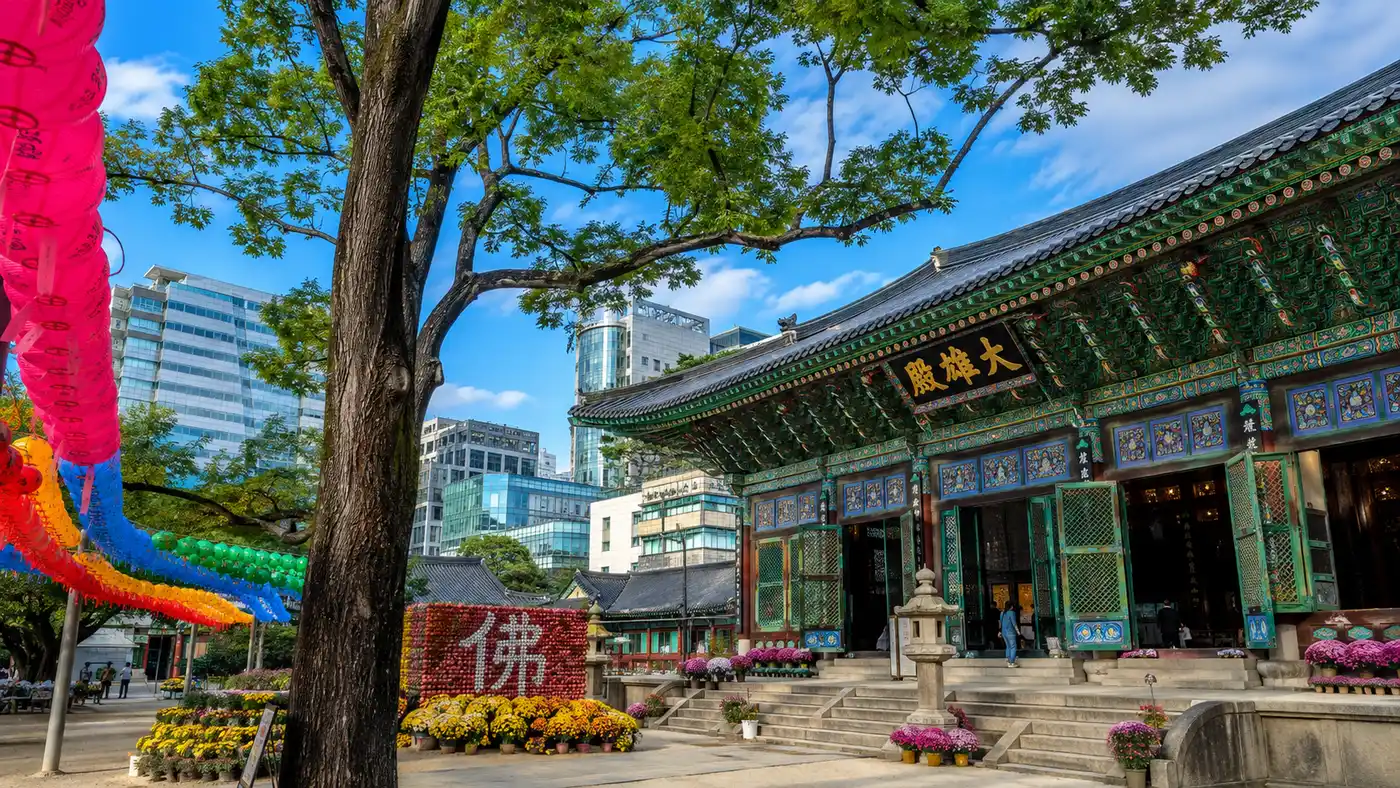
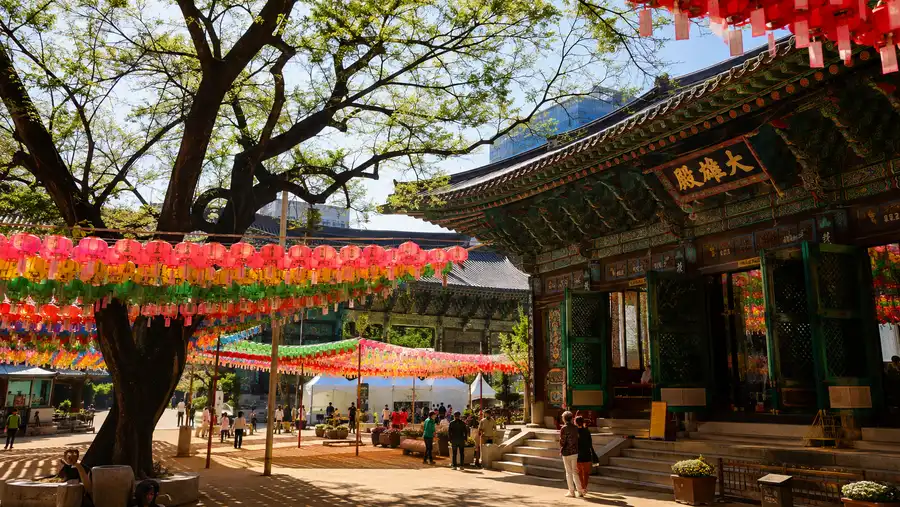
My first time arriving, I was struck by the sheer scale of the main hall, Daeungjeon. It’s huge. The colorful Dancheong painting on the wooden structures really pops against the sky. Giant trees, often adorned with lanterns, stand sentinel in the courtyard, offering shade and a sense of ancient peace. It's a striking contrast to the modern buildings just outside the temple gates.
You might notice a small information booth near the main entrance. They often have English information leaflets, which are handy for understanding the different buildings and their significance. Don't be shy about grabbing one.
Jogyesa Temple Hours and the Best Time to Experience It
One of the great things about Jogyesa Temple is its accessibility. The main temple grounds are essentially open 24 hours a day, 7 days a week. You can wander through the courtyard at almost any time, which is unusual for a major city temple. The gates don't really close. This means your jogyesa temple opening hours are quite flexible.
However, specific buildings, like the Daeungjeon (Main Buddha Hall) or the Temple Stay office, have more defined operating hours. The main hall is generally open from very early morning, usually around 4:00 AM, until late evening, often past 9:00 PM, allowing for morning prayers and evening ceremonies. If you want to experience the temple at its most serene, I think arriving early is key.
Pro tip: Aim to visit between 6:00 AM and 8:00 AM. The light is beautiful for photos, the air is crisp, and you'll often see monks going about their morning routines. It's a very peaceful time before the tour buses start rolling in around 10:00 AM.
Visiting during a festival, like Buddha's Birthday, presents a completely different experience. The temple is absolutely covered in colorful lanterns, and the energy is palpable, but it's also incredibly crowded. If you're looking for quiet contemplation, that's not the time to go. For more on these events, check out our piece on Jogyesa Temple festivals and things to do.
- Early Morning (6:00 AM - 9:00 AM): Best for quiet reflection, photography, and observing monastic life. Fewer crowds.
- Mid-day (10:00 AM - 4:00 PM): Busiest time, especially with tour groups. All facilities are fully open.
- Evening (5:00 PM - 8:00 PM): Beautiful with artificial lighting, often quieter than mid-day, and you might catch an evening prayer session.
Understanding the Jogyesa Temple Entrance Fee and Other Costs
Let's address the big question directly: what is the jogyesa temple entrance fee? For general visitors exploring the main grounds and halls, there is no admission fee. That's right, visiting Jogyesa Temple is completely free. This is pretty common for many Buddhist temples in Korea, especially the ones within city limits. You won't need to worry about buying jogyesa temple tickets just to walk around and see the main attractions.
However, while the general jogyesa buddhist temple entrance fee is zero, there are specific activities or programs that might incur a cost. For example, if you decide to participate in a Temple Stay program, which offers an overnight experience to learn about Buddhist culture, there is a fee. These programs are wonderful opportunities for a deeper dive but are separate from casual visiting. Also, donations are always welcome and help maintain the temple, but they are never mandatory.
You might find small shops selling souvenirs, incense, or Buddhist prayer beads. These are optional purchases, of course. A small cafe on the grounds might sell drinks or snacks. So, while the jogyesa temple price for entry is free, remember that personal purchases or specific cultural programs will have their own costs.
Note: Some special exhibitions or events held within the temple complex might occasionally charge a small fee, but this is rare and clearly indicated. Always check for signage if you see something unique happening.
Here is a quick overview of potential costs:
| Item/Activity | Typical Cost | Notes |
|---|---|---|
| General Admission | 0 KRW (Free) | Access to main grounds and halls |
| Temple Stay Program | ~50,000 - 80,000 KRW | Overnight cultural experience, prices vary |
| Souvenirs/Gifts | Variable | Optional purchases at temple shops |
| Donations | Voluntary | Appreciated for temple maintenance |
So, for most tourists, the jogyesa temple admission fee free policy means you can enjoy this spiritual haven without any financial barrier. This makes it an incredibly accessible cultural experience for everyone visiting Seoul. For more information on what to expect when visiting a temple, or to plan your next adventure, explore our main site for comprehensive travel guides and insights.
Book your Jogyesa Temple experience:
Jogyesa Temple Dress Code and Visitor Etiquette
While there isn't a super strict jogyesa temple dress code, it's a place of worship, so respectful attire is always appreciated. Think modest and comfortable. This means avoiding overly revealing clothing. Shoulders and knees should ideally be covered. You don't need to wear formal clothes, just something appropriate for a sacred space.
I usually opt for long pants or a skirt that goes past my knees, and a top that covers my shoulders. If you happen to be wearing shorts or a tank top, it's not the end of the world. No one will turn you away at the gate, but maybe bring a light scarf or a cardigan to cover up a bit when you enter the main hall. It's more about showing respect than following rigid rules.
A few other etiquette points to keep in mind:
- Removing Shoes: Always take off your shoes before entering any of the main halls, like Daeungjeon. There will be shoe racks provided at the entrance.
- Photography: Photography is generally allowed in the courtyard and outside the buildings. Inside the main halls, it's often discouraged or prohibited, especially during ceremonies. Look for signs. If you do take photos, be discreet and avoid using flash.
- Silence: Maintain a quiet demeanor, especially inside the halls. People are often meditating or praying. Keep your voice down.
- Bowing: You might see people bowing deeply as they enter the main hall or before the Buddha statues. You don't have to do it, but observing silently is a good practice.
- Touching: Refrain from touching statues, altars, or any ritual objects.
What to Expect Inside and Around Jogyesa Temple
Once you're past the main gate, you'll find the temple grounds are not huge, but they are packed with interesting sights. You probably need about 40 minutes to an hour to comfortably walk around and take everything in, maybe a bit longer if you sit and soak up the atmosphere. This answers questions about the jogyesa temple amount of time needed for a visit.
The two giant lacebark pine trees in the courtyard are ancient and impressive. They are over 500 years old. People often stop to admire their unique, mottled bark. The main hall, Daeungjeon, houses three large Buddha statues. The intricate details of the paintings and the sheer size are quite captivating. You'll often see people kneeling and offering prayers inside.
Behind the main hall, there's a smaller building, Geungnakjeon, dedicated to Amitabha Buddha. It's often quieter here. There's also the Bell Pavilion, where you might hear the deep resonance of the temple bell being struck at specific times. The whole complex is a living, breathing monastery, so you’ll see monks and nuns going about their daily lives.
The area immediately surrounding Jogyesa Temple is also worth exploring. It's part of the Insa-dong neighborhood, famous for traditional Korean arts and crafts, tea houses, and street food. It’s a great place to grab a traditional meal after your temple visit or browse for unique souvenirs. Many people combine a visit to Jogyesa with a stroll through Insa-dong, and it's a perfect pairing. You can easily spend an entire afternoon in this district. There's plenty of jogyesa temple english information available from various shops and cafes in the surrounding area if you need further guidance.
- Daeungjeon: The main hall, housing three large Buddha statues.
- Ancient Trees: Two impressive lacebark pines, over 500 years old.
- Bell Pavilion: Listen for the deep temple bell.
- Souvenir Shops: Small stores selling Buddhist items and keepsakes.
- Temple Stay Office: Information on overnight programs.
Frequently Asked Questions about jogyesa temple entrance fee
Is there a Jogyesa Temple entrance fee?
No, there is no general admission fee to enter Jogyesa Temple and explore its main grounds and halls. It is free for all visitors.
What are the Jogyesa Temple opening hours?
The main temple grounds are generally open 24 hours a day. Specific buildings like the Daeungjeon (Main Buddha Hall) are typically open from early morning (around 4:00 AM) until late evening (past 9:00 PM).
What is the recommended Jogyesa Temple dress code?
While not strictly enforced, it's best to wear respectful attire. This usually means covering your shoulders and knees. You should also remove your shoes before entering any of the main halls.
How much time should I allocate for a visit to Jogyesa Temple?
Most visitors spend about 40 minutes to an hour exploring the main temple grounds and buildings. If you wish to sit, meditate, or explore the surrounding Insa-dong area, you might want to allocate more time.
Quick Reference
- Admission: Free
- Hours: Main grounds 24/7
- Dress: Modest, shoulders/knees covered
- Visit Time: 40-60 minutes
Book your Jogyesa Temple experience:
My Take on Jogyesa Temple
Honestly, Jogyesa Temple is one of those places in Seoul that just feels essential. It offers a genuine slice of Korean Buddhist culture without asking for a dime at the gate. The fact that the jogyesa temple entrance fee is free makes it incredibly accessible to everyone, whether you're a devout Buddhist or just a curious traveler passing through. I’ve been many times, and each visit offers something a little different, depending on the time of day or year.
It's a wonderful contrast to the bustling city outside, a quiet oasis where you can pause, reflect, and appreciate a different pace of life. So, if you're in Seoul, definitely carve out some time for Jogyesa Temple. You won't regret it.
Read more about Jogyesa Temple.