How to Get to Jogyesa Temple: Location & Directions
Planning a trip to Seoul often means navigating its incredible subway system, figuring out bus routes, and sometimes just wandering on foot. If you are wondering how to get to Jogyesa Temple, one of the city's most important Buddhist sites, you're in luck. It's surprisingly easy to reach, nestled right in the heart of downtown. This guide will walk you through all the best ways to reach the temple, covering subway lines, bus options, and even enjoyable walks from popular nearby areas. We'll dive into specific exit numbers, estimated walking times, and give you a few local tips so you can find your way without a hitch.Book your Jogyesa Temple experience:
Jogyesa Temple's Central Spot in Seoul
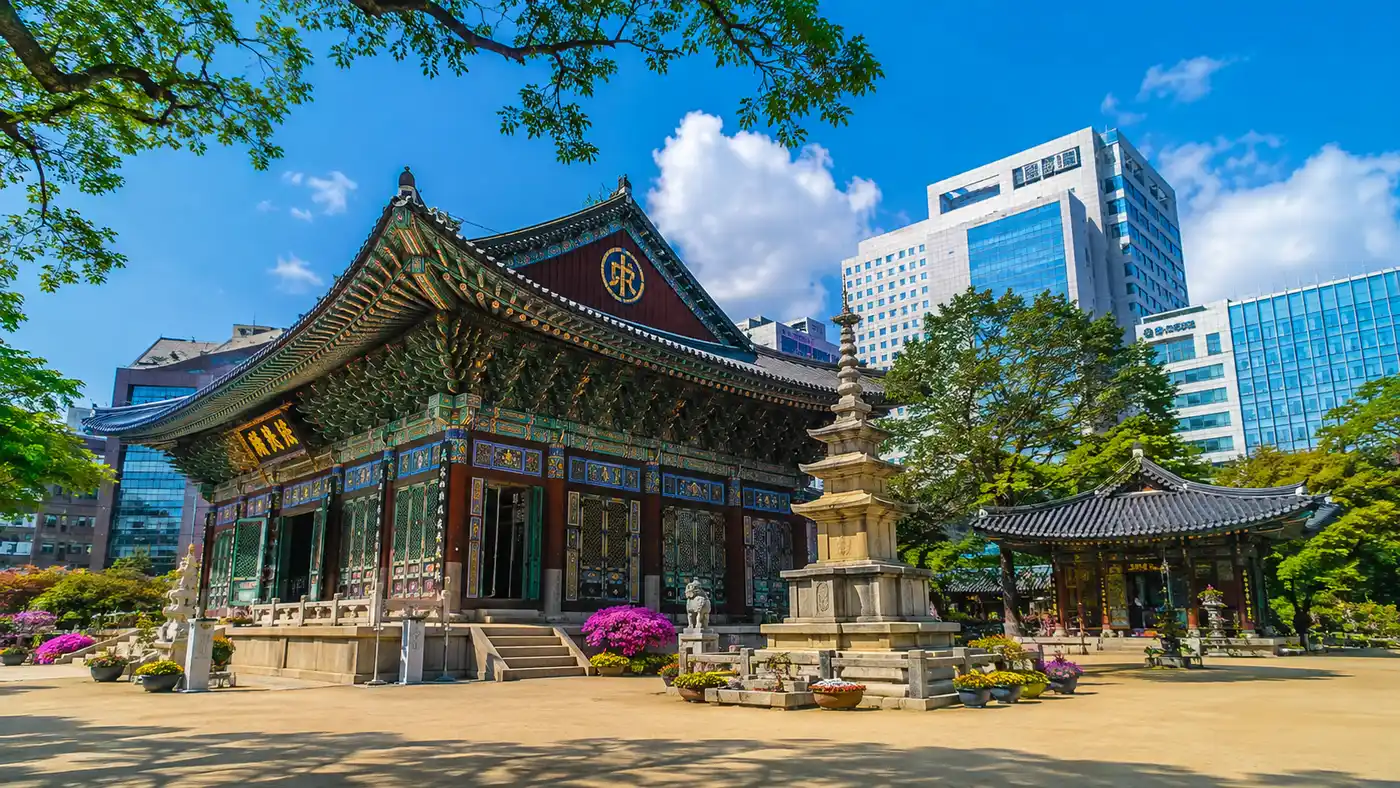
Jogyesa Temple holds a really special place in Seoul, not just spiritually but geographically. It sits pretty in Gyeonji-dong, a part of Jongno-gu, which means it is surrounded by some of the city's other big draws. Think Insadong's traditional charm just a short stroll away, or the grand Gyeongbokgung Palace a little further north. This central location makes it a breeze to weave into any Seoul itinerary. Honestly, I think part of the temple's appeal is its unexpected presence. You're walking along busy city streets, maybe grabbing a coffee, then suddenly these vibrant, colorful temple grounds appear. It feels like a little oasis. The area around it is always buzzing, with small shops and restaurants, though the temple itself maintains a quiet dignity.Pro tip: If you want to capture the temple's beauty without too many people in your shots, try to arrive right when it opens, around 7 AM. The light is often beautiful then, and the grounds are much calmer.
Taking the Subway - Your Easiest Route
The Seoul subway system is fantastic, truly world-class, and it is definitely the most straightforward way to reach Jogyesa Temple. You have a couple of excellent options, depending on which line works best from your starting point. Both Anguk Station and Jonggak Station are within easy walking distance. From Anguk Station, which is on Line 3 (the orange line), you'll want to head for Exit 6. Once you pop out of the station, simply walk straight down the street called Ujeongguk-ro. You'll pass a few modern buildings and some smaller shops. The temple will appear on your left after about 5 to 7 minutes of walking. It's a pretty direct path, not much chance of getting lost. For more general travel insights, you can always check out some of the articles on the how to get to jogyesa temple homepage. If you're coming from somewhere on Line 1 (the dark blue line), Jonggak Station is your best bet. Take Exit 2. When you come up to street level, make a U-turn and walk straight, keeping the main road on your right. You'll quickly hit a major intersection. Cross the street, heading towards the large Bosingak Bell Pavilion, then continue straight. Jogyesa Temple will be on your right-hand side. This walk takes maybe 8 to 10 minutes, a little longer than from Anguk, but it's equally simple. Here’s a quick overview of the main subway options:- Anguk Station (Line 3): Exit 6. Walk straight about 400 meters. Approximately 6 minutes.
- Jonggak Station (Line 1): Exit 2. U-turn, walk straight past Bosingak Bell, cross the road. Approximately 9 minutes.
Note: During peak rush hour, usually 7:30 AM - 9:30 AM and 5:00 PM - 7:00 PM on weekdays, the subway can get very crowded. If you're sensitive to tight spaces, maybe plan your visit outside these times.
Bus Routes to Jogyesa Temple
While the subway is often my first recommendation for its simplicity, taking a bus in Seoul can be an experience in itself, offering a different view of the city. There are several bus lines that stop very close to Jogyesa Temple. The main bus stops you'll want to look for are "Jogyesa Temple" or "Jongno 1-ga / Jonggak Station". Many different colored buses - blue, green, and even some red ones for longer distances - pass through this area. Bus numbers like 101, 103, 109, 150, 160, 162, 171, 172, 272, 401, 601, 704, and 707 are just a few that might get you close. However, honestly, trying to list every single bus route here would be a bit much. The best strategy is to use a mapping app like KakaoMap or Naver Map on your phone. Just punch in "Jogyesa Temple" as your destination, and it will give you the most current and efficient bus options from your exact location, including real-time arrival estimates. Riding the bus gives you a chance to see more of the street life. You might pass by a bustling market, or catch a glimpse of some interesting architecture you wouldn't see underground. Just remember to tap your T-Money card when you get on and when you get off.Book your Jogyesa Temple experience:
Walking from Nearby Hotspots
One of the real joys of Seoul is how walkable many of its districts are, and Jogyesa Temple is perfectly situated for a pleasant stroll from several popular areas. This is often my preferred way to arrive, especially if the weather is nice. If you're exploring Insadong, you're practically neighbors with Jogyesa. From the main Insadong-gil street, just walk south towards Jonggak Station. You'll see signs or you can simply ask. It's a quick walk, maybe 5 minutes, if that. You'll pass plenty of traditional tea houses and art shops along the way, making it a nice continuation of the cultural experience. You can read more about the temple's spiritual significance in our article, Jogyesa Temple: History & Korean Zen Buddhism. From Gyeongbokgung Palace, the walk is a bit longer, maybe 15 to 20 minutes, but it's very scenic. Head south from the main Gwanghwamun Gate, down Sejong-daero. You'll pass Gwanghwamun Square with its statues of King Sejong and Admiral Yi Sun-sin. Then turn left onto Ujeongguk-ro, and the temple will be on your left. It's a nice way to connect two major historical sites. Even from Myeongdong, a popular shopping district, Jogyesa is within walking distance for many, though it's a more substantial trek. It's roughly a 20-25 minute walk, depending on your pace and how many times you stop to look at shop windows. You'd basically head north, crossing the Cheonggyecheon Stream, and continue towards Jonggak Station. It's a straight-ish shot, but be prepared for city bustle.| Starting Point | Method | Estimated Time | Notes |
|---|---|---|---|
| Anguk Station (Line 3) | Walk | 6 minutes | Exit 6, walk straight south. |
| Jonggak Station (Line 1) | Walk | 9 minutes | Exit 2, U-turn, walk past Bosingak. |
| Insadong Main Street | Walk | 5 minutes | Head south from the main street. |
| Gyeongbokgung Palace | Walk | 18 minutes | South from Gwanghwamun Gate, then east. |
| Myeongdong | Walk | 25 minutes | Cross Cheonggyecheon Stream, head north. |
Taxi and Ride-Sharing - When Convenience Calls
Sometimes, you just want to get there without thinking too much, maybe you're tired, it's raining, or you're carrying a lot of bags. That's when taxis or ride-sharing apps come in handy. Taxis are plentiful in Seoul, easily hailed on the street, or you can use an app. The cost from most central Seoul locations, like Myeongdong or Hongdae, won't break the bank. From Myeongdong, you're looking at maybe ₩7,000 to ₩9,000, depending on traffic. From Gangnam, it will be more, perhaps ₩15,000 to ₩20,000. Just tell the driver "Jogyesa Temple" (조계사) or show them the address: "55 Ujeongguk-ro, Jongno-gu, Seoul." Most drivers understand basic English for destinations. For ride-sharing, Kakao T is the dominant app in Korea. It works much like Uber or Lyft. You'll need a local phone number to sign up, or you can use the international version which sometimes works with foreign numbers. It's super convenient for seeing the estimated fare and avoiding any language barriers with directions. Here are a few things to remember when taking a taxi:- T-Money Card: You can pay with cash, credit card, or your T-Money transportation card.
- Traffic: Seoul traffic can be brutal during rush hour. A 10-minute ride can easily become 30 minutes.
- Late Night: Taxis are a lifesaver after the subway closes around midnight. Fares increase slightly after 10 PM.
Frequently Asked Questions about how to get to jogyesa temple
Which subway exit is the best for Jogyesa Temple?
For the shortest and most direct walk, Anguk Station (Line 3), Exit 6 is generally considered the best option. It's a straight walk of about 6 minutes.
How long does it take to get to Jogyesa Temple from Myeongdong?
Walking from Myeongdong takes roughly 20-25 minutes. By subway, it's quicker, about 15 minutes including transfers and walking, taking Line 4 to Chungmuro, then Line 3 to Anguk.
Is Jogyesa Temple easy to find on foot?
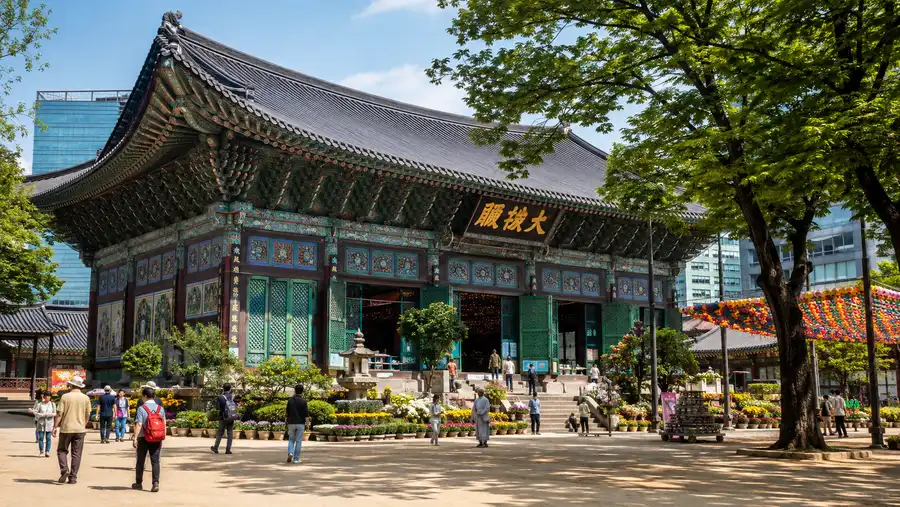
Yes, once you're in the vicinity, especially from Anguk or Jonggak subway stations, it's quite easy to find. The temple grounds are large and distinctive, and mapping apps are very reliable in Seoul.
Quick Reference
- Closest subway: Anguk Station (Line 3)
- Best exit: Anguk Exit 6
- Walk from Insadong: ~5 minutes
- Address: 55 Ujeongguk-ro, Jongno-gu, Seoul
Book your Jogyesa Temple experience:
My Take on Getting There
Honestly, getting to Jogyesa Temple is one of the simpler navigation tasks you'll encounter in Seoul. Its prime location means you're never too far, no matter where you're starting from. I think the subway is the most efficient choice for most travelers, especially if you're new to the city. But do consider walking from nearby Insadong or Gyeongbokgung if the weather is good. It really adds to the experience, letting you soak in the city's atmosphere before stepping into the temple's serene grounds. Don't overthink it. Just pick a method, maybe keep your phone handy with a map, and enjoy the journey to this beautiful spiritual haven.Read more about Jogyesa Temple.