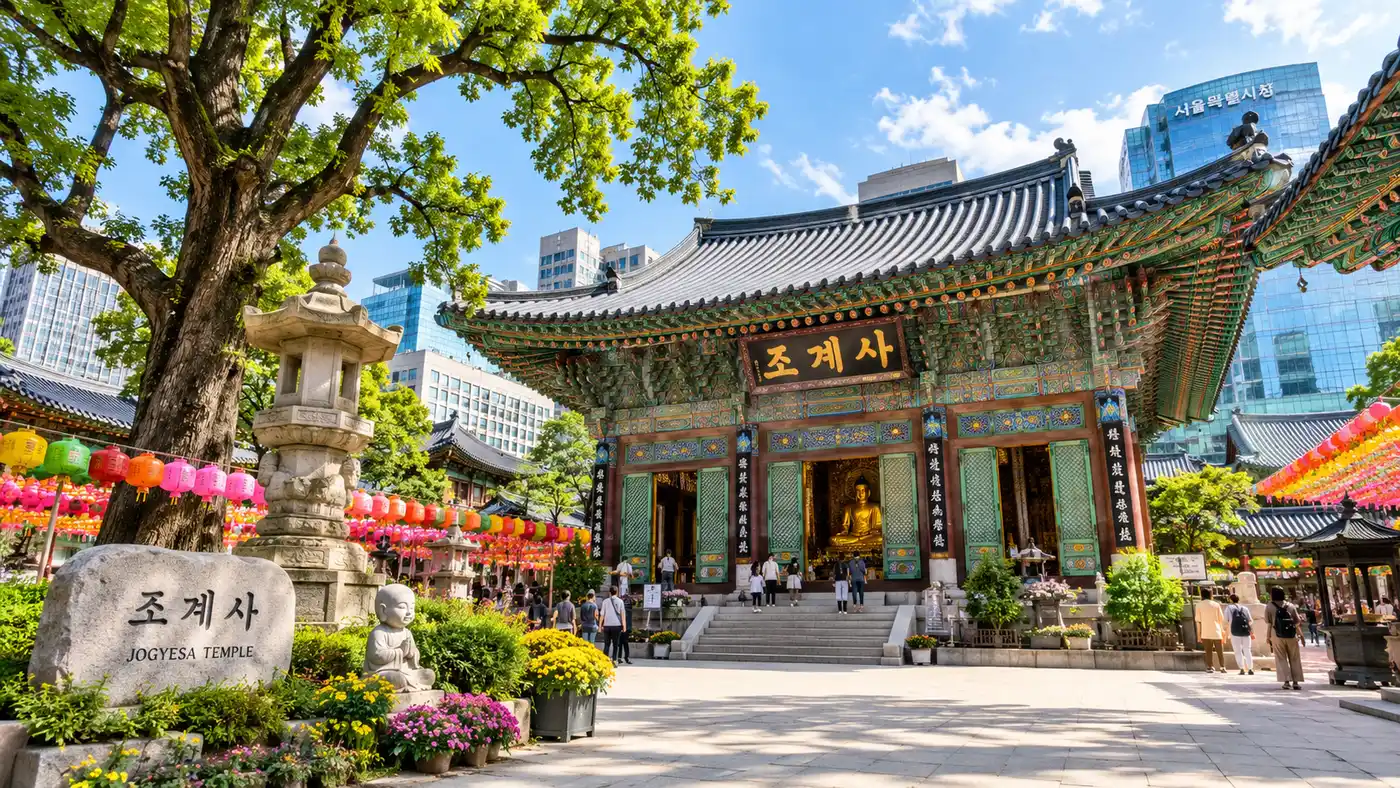
Jogyesa Temple: History & Korean Zen Buddhism
Stepping into Jogyesa Temple, right in the bustling heart of Seoul, feels like finding a secret garden. It is an unexpected pocket of serenity, a place where time seems to slow down. For anyone interested in the spiritual roots of Korea, understanding the rich jogyesa temple history is absolutely essential. This isn't just another pretty landmark; it represents the very core of Korean Zen Buddhism, an enduring spiritual tradition that has shaped this nation for centuries.
We'll dive into how this significant Buddhist temple in Korea came to be, tracing its origins from humble beginnings to its powerful modern-day role. You'll learn about the struggles and triumphs that forged its identity, the unique aspects of Korean Zen, and what makes Jogyesa Temple a living, breathing testament to faith. I'll share some insights from my own visits, too, just so you get a real sense of the place.
Book your Jogyesa Temple experience:
The Roots of Jogyesa Temple History: From Gakhwangsa to Modernity
The story of Jogyesa, as we know it today, doesn't actually begin with its current name. Its true genesis lies with a different temple, Gakhwangsa, established in 1910. This was a challenging period for Korea, a time of Japanese colonial rule. Many traditional Buddhist practices were suppressed; monks were often forced to marry, and the Jogye Order, which Jogyesa now leads, faced immense pressure. Gakhwangsa was founded by a group of determined monks seeking to revive the traditional celibate monasticism that defined Korean Buddhism for a long time. They wanted to reclaim their spiritual heritage.
This early temple was strategically located, important for the monks who were trying to rebuild their community in Seoul. It served as a central hub for the movement, a beacon of resistance against colonial policies impacting Buddhist life. Over the next two decades, this temple grew in significance, becoming a crucial center for the entire Korean Buddhist community. I think it’s easy to forget just how much was at stake back then, how acts of faith also became acts of cultural preservation.
In 1938, the temple was formally renamed Jogyesa. This name change was more than just a label; it was a profound declaration. "Jogye" refers to Mount Jogye, the home of Songgwangsa Temple, a historical center of the Jogye Order and a place deeply tied to the foundational figures of Korean Zen Buddhism. By adopting this name, the temple in Seoul solidified its position as the head temple of the Jogye Order, the largest traditional Buddhist sect in Korea. This move cemented its role as the spiritual and administrative heart of Korean Buddhism, a role it maintains to this day.
Pro tip: When exploring the temple grounds, look for the historical markers or plaques. They often provide small, fascinating details about specific events or figures tied to the temple’s past, making the history feel more immediate.
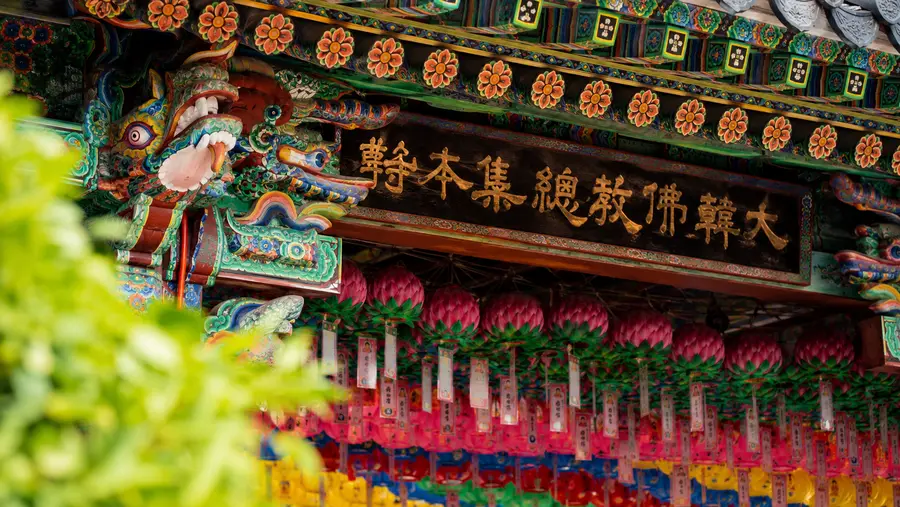
Korean Zen Buddhism: Jogyesa as its Spiritual Heart
So, what exactly is Korean Zen Buddhism, or Seon Buddhism as it’s called in Korea? It’s a distinct tradition, emphasizing meditation and direct experience over scriptural study. The Jogye Order, headquartered at Jogyesa, is the predominant order practicing Seon in Korea. This focus on meditation, on finding enlightenment through one's own efforts and insight, has been a defining characteristic of Korean Buddhism for over a thousand years. It’s a path of rigorous self-discipline and profound introspection. Honestly, you can feel that quiet intensity even in the middle of Seoul.
Jogyesa Temple for Zen Buddhism isn't just an administrative center; it's a place where the tradition is actively lived and taught. Monks reside here, performing daily rituals, meditating, and studying. The main hall, Daeungjeon, is usually filled with the soft murmur of chanting or the deep silence of meditation. Visitors often see monks in their grey robes going about their duties, a constant reminder of the temple's spiritual purpose. It’s a very different vibe from some of the more tourist-focused temples you might find elsewhere.
The temple also plays a vital role in educating the public about Korean Buddhism. They offer temple stay programs, which I've always wanted to try, and various cultural events. These initiatives help bridge the gap between monastic life and the modern world, making the ancient wisdom of the Buddha Korea accessible to everyone. It’s a fascinating blend of tradition and outreach, really.
- Seon's Emphasis: Direct experience and meditation as the primary path to enlightenment.
- Monastic Life: Daily rituals, meditation, and study are central to the monks living at Jogyesa.
- Public Engagement: Temple stay programs and cultural events connect the community with Buddhist teachings.
Significant Events and the Jogyesa Temple Incident
A temple as central as Jogyesa is bound to have its share of historical drama. One of the most defining moments in its recent past was the Jogyesa Temple Incident. This happened in 1998, when a dispute over leadership within the Jogye Order escalated into a highly publicized standoff. Rival factions of monks occupied the temple, leading to clashes and even police intervention. It was a really intense time, reflecting deep-seated issues within the order.
The incident highlighted the challenges faced by traditional institutions in a rapidly modernizing society. It showed the world that even spiritual communities grapple with power, governance, and reform. While it was a turbulent period, it also led to significant introspection and ultimately, I think, strengthened the Jogye Order by forcing them to address internal issues. Today, the temple stands as a symbol of resilience, having weathered such storms and emerged stronger.
Beyond this specific incident, Jogyesa has been a silent witness to countless moments in Korean history. It saw the Korean War, the student democracy movements, and the rapid economic development of the country. Each event, each shift in society, has left its subtle mark on the temple and the monks in Korea who call it home. It's a living archive, really, if you know how to look.
Note: While the 1998 incident was disruptive, it was an isolated event. Visitors today will find a peaceful, well-managed temple. There's no lingering tension or anything to worry about.
Book your Jogyesa Temple experience:
The Architectural Spirit: Buildings and Sacred Elements
The architecture of Jogyesa Temple, while perhaps less grand than some mountain temples, holds its own quiet dignity. The Daeungjeon, the main worship hall, is a magnificent structure. It was rebuilt in 1938 and houses three large statues of the Buddha. The craftsmanship is really something special, with intricate carvings and vibrant paintings that tell stories from Buddhist scriptures. It feels both ancient and alive inside.
Outside the Daeungjeon, you'll find two ancient trees that are just massive. One is a White Pine, over 500 years old, and the other is a Lacebark Pine, around 400 years old. These trees are designated Natural Monuments of Korea, and they honestly embody the temple's enduring spirit. They've seen centuries pass, standing sentinel over generations of worshippers. They offer a tangible link to the deep past, a connection that goes beyond any specific building.
Other structures include the Geuknakjeon, or Hall of Supreme Bliss, and various smaller halls and dormitories for the monks. The temple grounds are not huge, but every space is thoughtfully utilized. During festivals, especially Buddha's Birthday, the entire temple is adorned with colorful lanterns, creating an absolutely magical atmosphere. You can learn more about these celebrations by checking out Jogyesa Temple Festivals, Temple Stay & Things to Do on our site.
The temple's location in Jongno, a vibrant district, also means it's easily accessible. It serves as a spiritual oasis amidst the urban sprawl, a place where city dwellers can find a moment of quiet reflection. It's a stark contrast, seeing the modern skyscrapers just beyond the ancient walls, but it works, somehow. This blend of old and new is very characteristic of Seoul, I think.
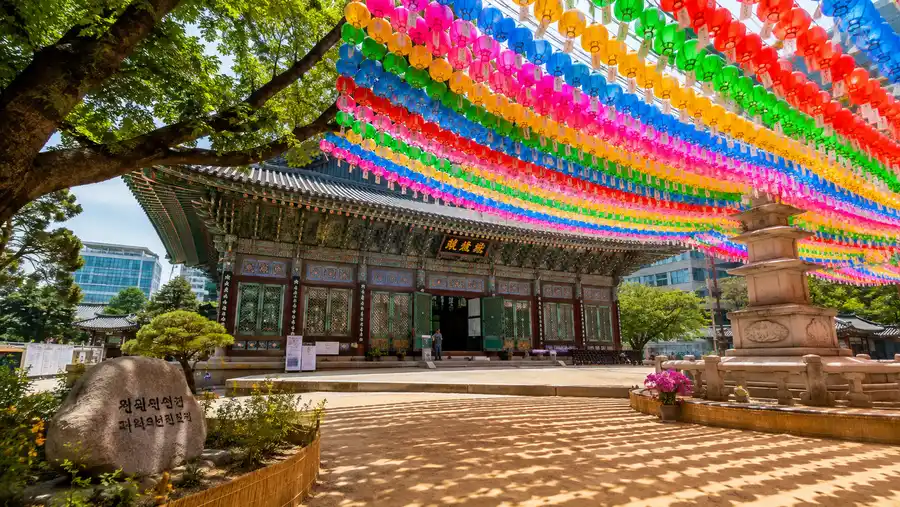
Experiencing Jogyesa: A Living Buddhist Temple in Korea
Visiting Jogyesa isn't just about seeing old buildings; it's about experiencing a living tradition. When you walk through the main gate, called Iljumun, you are symbolically entering a different realm. It's a transition from the chaotic city to a space of calm and contemplation. I always take a moment there, just to breathe it all in. The air even feels different, a little cleaner, maybe.
Observing the daily life of the temple can be quite moving. You might see monks performing their chanting rituals early in the morning, or perhaps a group of lay practitioners engaged in meditation. The temple is very welcoming to visitors, regardless of their background. It’s a place for everyone to find a bit of peace, even if it’s just for 30 minutes or so. For more practical details about planning your visit, like opening hours or dress code, you can find specific information on our article about Jogyesa Temple: Hours, Fees, Dress Code & Visitor Info.
While Jogyesa is the head temple, it's worth remembering that there are many other beautiful Buddhist temples in Korea. Each one has its own unique story and character. But Jogyesa, with its direct connection to the core of Korean Zen, offers a particular insight into the enduring spiritual heart of the nation. It's an essential stop for anyone wanting to understand the deeper cultural currents here. You could spend days just exploring the various temples around the country, honestly. You can discover more about the wider Buddhist landscape on our Korean travel guide, where we cover many different aspects of experiencing Korea.
What is the significance of Jogyesa Temple?
Jogyesa Temple is the head temple of the Jogye Order, the largest sect of Korean Zen Buddhism. It serves as the spiritual and administrative center for millions of practitioners in Korea.
When was Jogyesa Temple established?
The temple was originally founded as Gakhwangsa Temple in 1910 and formally renamed Jogyesa in 1938, solidifying its role as the head temple of the Jogye Order.
Is Jogyesa Temple open to tourists?
Yes, Jogyesa Temple is very welcoming to visitors and tourists. You can explore the grounds, observe daily life, and even participate in programs like temple stays. There are no fees to enter the main grounds.
Quick Reference
- Head temple of Jogye Order
- Established 1910 (as Gakhwangsa)
- Renamed Jogyesa 1938
- Located in Jongno, Seoul
- Focus on Seon (Zen) Buddhism
Book your Jogyesa Temple experience:
My Take on Jogyesa Temple's Enduring Legacy
Jogyesa Temple is more than just a site of ancient history; it’s a living, breathing testament to the resilience and enduring spirit of Korean Zen Buddhism. It stands as a powerful reminder of how faith can sustain a people through periods of immense change and challenge. From its foundational efforts to revive traditional monasticism during colonial rule to its role today as a vibrant urban spiritual center, its journey is truly remarkable.
Whether you're deeply interested in Buddhist philosophy or simply seeking a tranquil escape from the urban rush, Jogyesa offers a unique and profound experience. It’s a place where you can connect with centuries of spiritual wisdom, observe the quiet dedication of monks in Korea, and maybe even find a moment of your own inner peace. I really do think it’s a must-visit for anyone traveling to Seoul, a true window into the soul of this incredible country.
Read more about Jogyesa Temple.